
Embrace The Game Of Life With 8 Powerful Principles to Live By

We are all players in the game of life, a journey of twists, wins, lessons, and restarts around every corner. When we see life as a game, everything shifts. We adopt a different mindset and approach that transforms all our experiences: the way we face challenges, celebrate victories, and learn from the moments in between.
What are the rules of the game of life?
The game of life rules are rooted in timeless principles that guide how you live, grow, and create meaning in every experience.

LIFE AS A GAME OR A PROFOUND EXPLORATION?
Have you ever thought about how much your life resembles a game in motion, constantly changing, demanding strategy, awareness, and courage?
It is fascinating to reflect on the different perspectives of this exciting journey. Some people approach life as a game where strategy, skill, and a bit of luck come into play. Others may view it as a profound exploration, a meaningful quest for self-discovery and personal growth. The truth is, it’s a beautiful blend of both. It’s a balance between playing and growing, between being fully present and seeking something greater.
Embracing the game of life means living with intention, curiosity, and a sense of adventure. It’s about showing up for your own experience, not as a spectator, but as an active player who learns, adapts, and evolves with every new level.
The rules may not always be clear, but the principles that guide the game are timeless. Here are eight life principles to live by that can help you play this game with more clarity, purpose, and joy.
When you understand and adopt these principles, you find the key to living a fulfilling and meaningful experience.
EMBRACE THE GAME OF LIFE WITH 8 POWERFUL PRINCIPLES
THE PRINCIPLE OF PURPOSE
Every game has a goal, and so does life. The Principle of Purpose reminds you that fulfillment begins when you know why you’re playing. Your purpose doesn’t have to be something grand or fixed; it can evolve as you do.
Discover what lights you up, what feels meaningful to you, and what makes your presence valuable in this world. Align your choices with that inner direction. When you live with purpose, your actions become intentional and focused, and even ordinary days start to feel meaningful.
THE PRINCIPLE OF GROWTH
In every good game, you level up. And in life, that level-up comes from growth.
When you treat life as a game, you adopt a growth-oriented mindset that brings playfulness and lightness to your daily experiences.
You continuously seek occasions for personal and professional development, expanding your mind, knowledge, skills, and abilities.
Consider this principle your power-up ability by seeing setbacks and challenges as lessons in disguise, a chance to become stronger, wiser, and more grounded.
Seeing life as a playground for growth removes the fear of failure, turning it into a source of power for your next move.
THE PRINCIPLE OF CONNECTION
No one wins the game of life alone.
Life is inherently social, a multiplayer experience where we are interconnected beings. The Principle of Connection reminds you that relationships are part of the journey, and the quality of those connections shapes the quality of your life.
So, get ready to nurture meaningful connections. Surround yourself with people who bring out the best in you. Create bonds built on honesty, kindness, empathy, and mutual growth. Whether through friendship, love, or collaboration, connection brings warmth and meaning to every level you are playing.
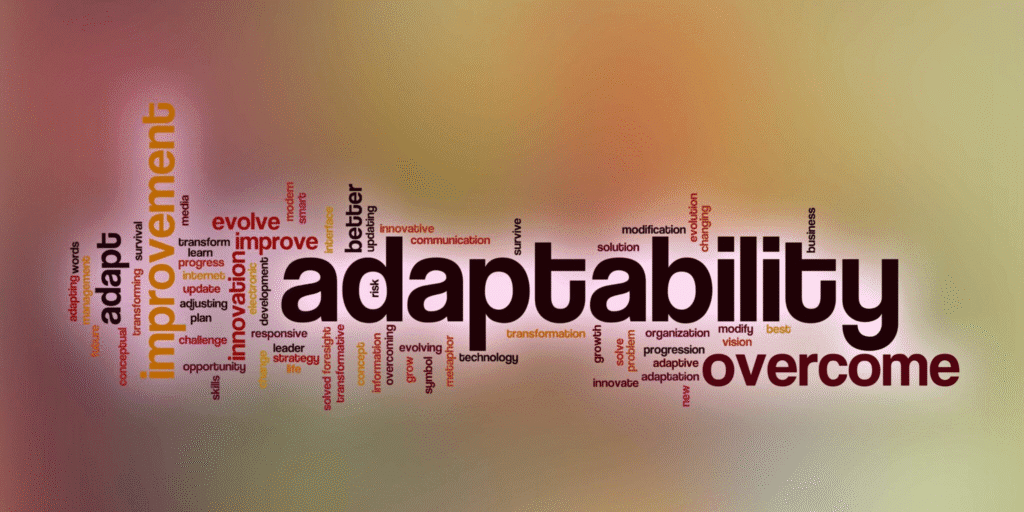
PRINCIPLE OF ADAPTATION
Games often require us to adapt to changing circumstances and make strategic decisions. Life itself is no different. The Principle of Adaptation helps you move with the flow rather than resist it. Flexibility and openness to change are your greatest advantages when life takes an unexpected turn.
They will keep you on your toes and help you handle the twists with finesse and resilience, finding new ways when the old ones no longer work. That’s how you discover new paths, new strengths, and new opportunities hidden behind change.
PRINCIPLE OF MINDFULNESS
In every moment, there’s something to notice. The Principle of Mindfulness invites you to slow down and pay attention to yourself, to the present, to the people around you, or the beauty that often goes unnoticed.
Being mindful keeps you grounded and helps you make conscious choices instead of automatic reactions. When you practice awareness, life stops rushing past you. You begin to see the nuances and details, the emotions, and the small things that make it all worth living.
Now, take a moment to slow down, pause, breathe, and appreciate the present moment. Cultivate gratitude for every aspect of this incredible life, nurture awareness, savor the beauty, and find joy in simple things around you.
This mindset offers you the most value and enjoyment from every aspect of your journey.
PRINCIPLE OF RESILIENCE
Every player falls. What matters is how they rise. Life isn’t without its fair share of setbacks. That is where the Principle of Resilience comes into play.
This is your secret power to face setbacks without losing your spirit and return stronger from adversity, learn from mistakes, and keep moving forward with a positive mindset.
Resilience becomes a core aspect of your character. It doesn’t mean you don’t feel pain, because you do. But it means you keep moving through it, carrying what you’ve learned along the way. Every comeback builds confidence. Every fall builds depth.
So, maintain a positive mindset, learn from your experiences, and keep pushing forward despite adversity.
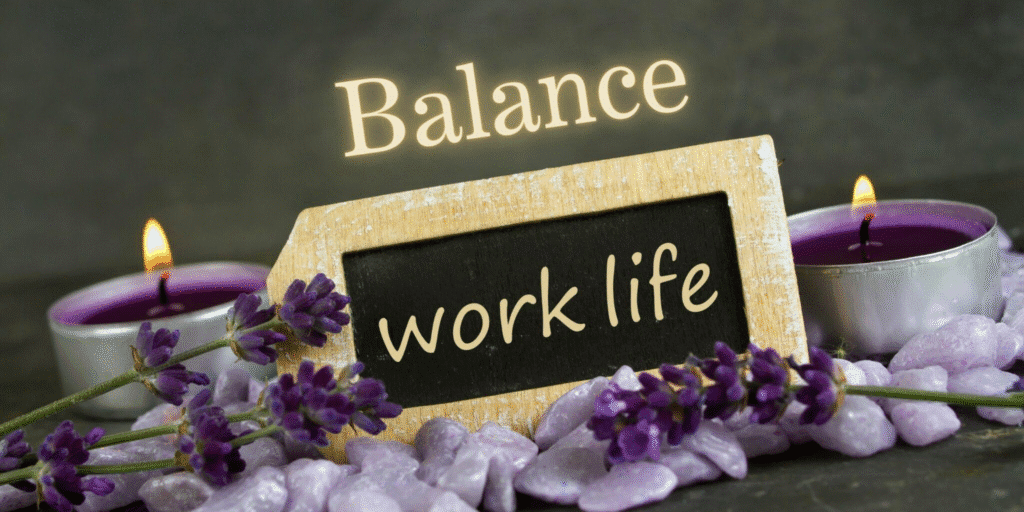
PRINCIPLE OF BALANCE
Even the best players need rest. The Principle of Balance is about finding that sweet spot of harmony between effort and ease, work and play, rest and action, strategy and spontaneity, giving and receiving.
Life isn’t meant to be lived in extremes. Balance allows you to show up fully without burning out, to nurture your mind, body, and emotions equally. When you protect your energy, prioritize self-care, and set boundaries, you create space for what truly matters. This principle ensures that all areas of your life receive the attention and sustain the harmony as a unit.
PRINCIPLE OF ENJOYMENT
Let me remind you of something important. A game is meant to be enjoyed and to be fun to play. In life, too, with all its highs and lows, you must bring fun and enjoyment to your existence.
With the Principle of Enjoyment, you welcome a positive attitude, celebrate small victories, laugh often, and seek out activities and experiences that lift your spirit and vibration.
Joy isn’t a distraction from growth; it’s fuel for it. When you enjoy the game, you become fully present in it, and that’s where the real magic happens.
Take time to appreciate your progress and savor the moments of happiness and fulfillment. Adopt a positive outlook and gratitude, embracing the game we name life.
BOTTOM LINE
Life is a magnificent game, one that rewards curiosity, courage, and self-awareness. With these eight principles in your pocket, you set yourself up for a successful and fulfilling one, ready to conquer each level and discover new adventures.
When you embrace the game of life, you stop waiting for perfect circumstances and start living with purpose, growth, connection, and joy.
So, as you move through your own levels, ask yourself:
Which of these principles do you live by?
And which ones could make your next chapter even better?
Until next time…
Life is not meant to be mastered, but experienced.
Play with awareness, live with purpose, and let joy be your way of keeping score.
I agree, balance is very important. Whether you’re working or playing, you need balance in every aspect of life. When I start to feel pulled down or overwhelmed with work, I try to change the script of my thoughts by doing something new or out of order. Today, I stopped working and took my husband and niece park hunting. We found three parks nearby with museums attached, and one even had a big pool to play in. It was fun to explore and take my mind off work for a bit.
Hi Tammy,
Thanks for sharing your experience. It’s wonderful that you’ve found your own way to shift your mindset when work starts to feel overwhelming. Trying something new or spontaneous is such a refreshing way to restore balance.
Taking your husband and niece to explore the parks sounds like a beautiful idea. The time with loved ones always has a way of grounding us. You didn’t just take a break from work; you reconnected with what truly matters. Keep creating those moments. They’re what keep life balanced and meaningful.
I like the analogy of life as a game, but I tend to see it more as an opportunity to help. The principles you shared are well established and can create a solid foundation in anyone’s life.
For me, mindfulness has been the most impactful. The older terms were prayer, devotion, meditation, quiet time, and awareness, all ways to stay connected and centered. I’ve been practicing this for decades, and it’s still not easy because life’s spontaneous moments constantly challenge that inner stillness.
Thank you for this article. It offers a strong foundation for living with purpose. The only principle I’d add is ‘Relationships,’ since all the others are, in many ways, learned through them, and relationships often become the reason to apply the rest
Thank you for such a thoughtful reflection. I can feel the depth of your understanding and how naturally mindfulness has become part of your life’s rhythm. You’re absolutely right. Relationships are central to everything we learn and experience. That’s actually why I included The Principle of Connection in the article, since it reflects exactly that, how much our growth, resilience, and balance depend on the bonds we build with others.
I also love what you said about mindfulness. Even after years of practice, it’s true that life’s unpredictability can still challenge that inner stillness. But that’s also what makes it powerful. It reminds us to return, again and again, to awareness, even in the middle of the noise.
And I completely agree with your thought on prayer and meditation. They are both forms of connection. One where you speak (prayer), and one where you listen (meditation).
What stood out to me most was how you described life as both a game and a journey. That balance between play and purpose really resonated with me.
It made me think about how people approach life so differently, some with curiosity and courage, others more cautiously. Do you believe everyone can learn to live by these principles, or does it take a certain mindset to see life through this ‘game’ perspective?
Hi Denis,
It’s really nice to see you back. Thank you for your thoughtful question. I believe the principles are universal in essence, but how each person lives them is deeply personal. We all play the same game, but the way we move through it depends on who we are, what we value, and what life has taught us so far.
For some, fulfillment grows through work or purpose-driven goals. For others, it’s through connection, simplicity, or peace. There isn’t one single way. There’s only the way that feels aligned with who you are in this moment.
That’s what I love most about these principles: they don’t tell you how to live, they remind you to be present while you do.
Thank you again for sharing your thoughts.
I like how you describe life as something to be played, not controlled. It takes away the pressure to have everything figured out and brings back curiosity and presence. It’s a reminder that we don’t always need certainty to move forward. Sometimes we just need the courage to stay in the game and see what unfolds.
It made me think about how often people forget that they’re participants, not just spectators in their own lives. Do you think we forget to ‘play’ because we take life too seriously, or because we fear losing control?
Hi,
Thank you for such a meaningful reflection. It’s a question that really captures the essence of this article.
I think it’s a bit of both. Many people take life too seriously because they feel the constant need to prove something or stay in control. But life doesn’t ask for control, it asks for presence. When we loosen the grip and stop overthinking every move, we start to play more freely, to actually experience life instead of managing it.
Sometimes the most courageous thing we can do is to stay open, even when things don’t go as planned. That’s where the real learning and growth happen.
I liked how you compared life to a game. It’s such a simple but powerful way to remind ourselves that we don’t have to get everything right. We just have to keep showing up and learning as we go.
The part about adaptability hit home for me. I’ve noticed that whenever I stop resisting change and start flowing with it, things eventually fall into place. It made me wonder though:
How do we stay open and adaptable without feeling like we’re losing our direction? Finding that balance seems to be one of the hardest parts of this ‘game.
Hi Liam,
What a great question, one that most of us face at different points in life. I believe adaptability doesn’t mean losing direction; it means adjusting the path while keeping your inner compass steady. Your values and purpose are that compass. When you stay connected to them, flexibility becomes strength, not confusion.
Change will always test your focus, but that’s part of the process. You’re not meant to control every move, just to stay present, aware, and aligned with what feels right for you.